
The Allure of Gambling: Understanding the Initial Attraction
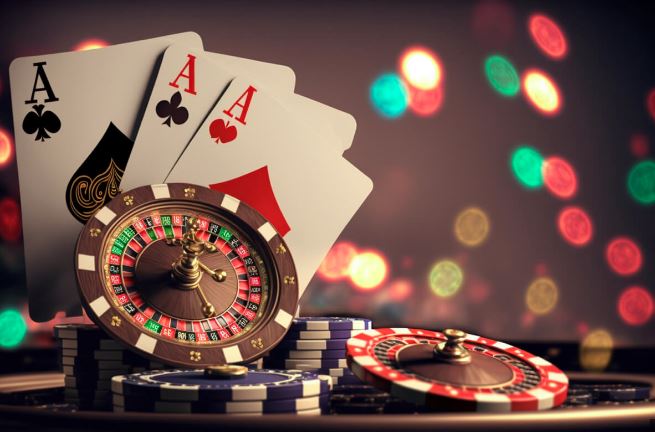
The psychology behind gambling habits in casinos begins with the allure that these establishments create. The vibrant lights, the sounds of spinning machines, and the overall atmosphere are crafted to evoke excitement and anticipation. This sensory overload can trigger dopamine release in the brain, which is often linked to pleasure and reward. As potential gamblers step into this environment, they find themselves drawn in by the potential for both entertainment and financial gain, especially when they discover the best no kyc casinos available online.

Moreover, social factors play a significant role in attracting individuals to gamble. Many people associate casinos with social gatherings, celebrating milestones, or simply having a good time with friends. This sense of community can enhance the excitement of gambling, leading individuals to develop habits that tie their social interactions to gambling activities. Understanding this initial attraction is crucial in unraveling the complexities of gambling behavior.
The Mechanisms of Reward: How Gambling Reinforces Behavior
Once individuals engage in gambling, the mechanisms of reward become a key psychological factor. Casinos utilize various strategies, such as variable ratio reinforcement, where rewards (like winnings) are unpredictable. This uncertainty can keep players engaged for longer periods, as they anticipate the next win. Studies in behavioral psychology suggest that this unpredictability can create a cycle of reinforcement, compelling individuals to continue gambling despite potential losses. The concept of “near misses” often amplifies the psychological grip of gambling.
Additionally, the concept of “near misses” often amplifies the psychological grip of gambling. When players come close to winning, their brains may interpret these near wins as a sign that they are on the verge of success. This perception can heavily influence their decision to keep playing, perpetuating a cycle of gambling habits that can be challenging to break. Recognizing how these psychological mechanisms function is essential for understanding the persistence of gambling in casino settings.
The Role of Cognitive Biases in Gambling Habits
Cognitive biases significantly influence gambling behavior, often leading individuals to make irrational decisions. For example, the illusion of control presents a common bias where gamblers believe they can influence the outcome of a game through their actions. This belief can lead players to engage in riskier betting behavior than they might otherwise consider, as they overestimate their chances of winning. Another prevalent cognitive bias is the gambler’s fallacy, the mistaken belief that past events influence future outcomes in games of chance.
For instance, if a particular number hasn’t appeared in a roulette game, a player might believe that it is “due” to win. These biases skew reasoning and decision-making in gambling scenarios, reinforcing habits that can lead to problem gambling and detrimental outcomes. Understanding how these biases operate is essential for addressing gambling issues effectively.
The Social and Economic Impacts of Gambling Behavior
The social and economic ramifications of gambling habits extend beyond individual players. Communities often experience the effects of gambling through economic benefits, such as job creation and increased tourism; however, these benefits must be weighed against the potential for addiction and its consequences on families and social structures. Problem gambling can lead to financial distress, relationship breakdowns, and an increased burden on social services.
Furthermore, the normalization of gambling in social settings can have creeping effects on cultural attitudes toward risk-taking. As gambling becomes more embedded in society, it may encourage more individuals to take part, potentially leading to an increase in gambling-related issues. Understanding these impacts is vital in addressing the broader implications of gambling behaviors within casinos.
Explore the Intersection of Gambling and Psychology on Our Website
Our website aims to delve deeper into the fascinating interplay between gambling and psychology, offering insights and resources to better understand these complex behaviors. We prioritize user experience and security, providing a safe space for visitors to explore the intricacies of gambling habits and their psychological foundations.
By shedding light on the motivations and consequences of gambling, we aspire to foster informed discussions and promote responsible gaming. Whether you are a casual gambler or seeking help with gambling-related issues, our website serves as a comprehensive resource tailored to meet your needs, ensuring you can navigate the world of gambling with greater awareness.